
Choosing Candles with Care
Quiet Winter Nights, Candles, and the Air We Breathe
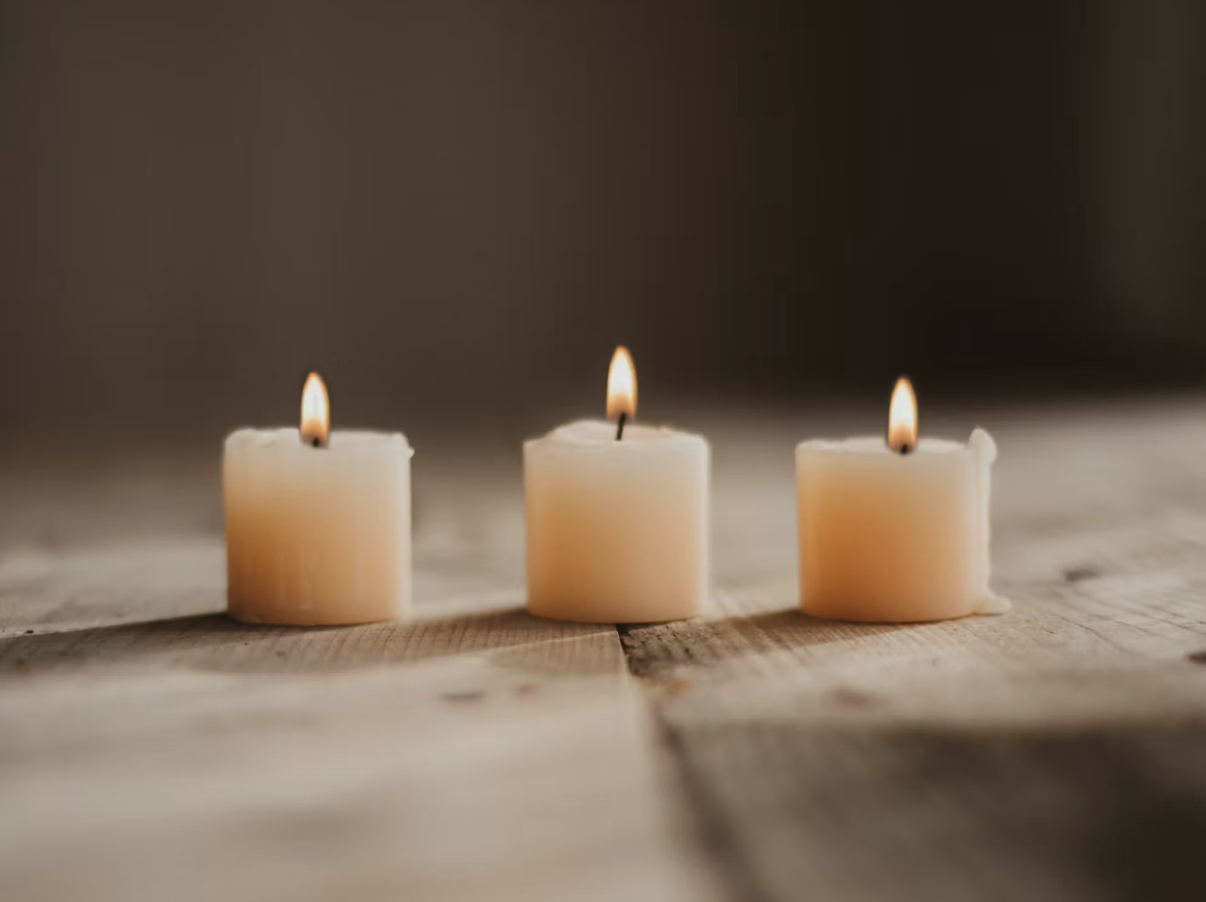
Candles are one of those things we do not think twice about. As the days get shorter and evenings feel longer, we light them more often. They make the house feel warm and settled, especially during winter. A soft flame at the end of the day, a familiar scent, and the house finally quiet. They are part of evening routines, slower nights, and this time of year in particular.
But candles are also something we burn indoors, often for hours at a time. And whatever a candle is made of ends up in the air we breathe. That does not make candles bad. It just makes them worth paying attention to.
When we talk about health, we often focus on food, supplements, or remedies. Air tends to get overlooked, even though we are constantly interacting with it. The body is always responding to its environment, whether we are aware of it or not.
Why Indoor Air Matters
The lungs are one of the body’s main detox pathways. They are designed to exchange oxygen, release carbon dioxide, and help regulate the nervous system. Clean air supports that process. Polluted air makes the body work harder.
Inside the home, air quality is shaped by small daily choices. Cleaning products, cooking methods, lighting, and yes, candles. None of these things exist in isolation. Over time, they create an environment that either supports rest and regulation or quietly adds stress.
This matters most in the evening, when the body is meant to slow down. Winter naturally invites that slowing. If the nervous system senses irritation or chemical exposure, even at low levels, it can interfere with sleep and recovery.
The Issue With Candle Ingredients
One of the challenges with candles is that ingredient lists are not required. A candle can be labeled as natural, clean, or essential oil based without clearly stating what it contains.
Most conventional candles are made with paraffin wax, which comes from petroleum. When burned, paraffin can release soot and chemical byproducts into the air. You may notice black residue on walls or containers over time. That same residue passes through the air and into the lungs.
Fragrance is another common issue. The word fragrance can represent a blend of undisclosed chemicals. These are often added to make scents stronger and longer lasting. During the holidays especially, heavily scented candles are everywhere. Some people notice headaches, irritation, or a sense of being overstimulated around strong scents. Others do not notice anything at all, but the body still has to process the exposure.
This is not about panic or perfection. It is simply about understanding what is common and deciding whether it aligns with the kind of home environment you want.
A Note on Essential Oils
Candles labeled as essential oil candles are not always what they sound like. Some contain a small amount of essential oil mixed with synthetic fragrance. Without transparency, there is no way to tell.
When essential oils are used on their own, they tend to smell softer and less overpowering. They fade naturally rather than lingering aggressively in the air. From a holistic perspective, that gentleness matters. The nervous system responds better to subtle input than to constant stimulation, which is especially welcome during an already busy season.
Choosing Candles That Support Rest
If you enjoy candles, choosing simpler options can make a difference.
Look for candles made with naturally processed waxes rather than petroleum based ones. Pay attention to the wick. Clean burning wicks produce less smoke and soot. If a candle leaves residue or smells sharp when blown out, that is often a sign it is not burning cleanly.
Unscented candles are a good option for regular use. For scented candles, fewer ingredients and clear sourcing are helpful. Soft, natural scents tend to support calm rather than overwhelm the senses. You can check out some of the candles that we enjoy on our #RopheApproved Page here.
Bringing It Back to the Evening
In the evening, light plays a big role in signaling the body to rest. Softer lighting, including candlelight, helps shift the nervous system out of the day’s pace. When paired with clean air, that signal becomes clearer.
Lighting a candle can be part of a gentle winter ritual. Reading, sitting quietly after dinner, or a few still moments of prayer. Not rushed. Not overstimulated. Just letting the body catch up with the quieter rhythm of the season.
Small Changes, Real Impact
This is not about throwing everything out or doing things perfectly. It is about noticing the small things that add up.
The body is always listening to its environment. When the home feels calmer, cleaner, and less demanding, the body responds in kind. Over time, those small shifts support deeper rest, steadier energy, and a greater sense of ease.
Candles are just one piece of that picture. But during a season centered on home, warmth, and togetherness, they are an easy place to start.